
A consumer education
initiative from

FROM AMERICAN PAINT ADVISORY
Before You Paint Another Wall, Answer These 20 Questions
Most painting mistakes begin before the first coat goes on. We're preparing a practical homeowner guide built around the questions worth answering before you buy paint, move furniture, or pick up a roller.
Enter your email below for immediate access
Most Painting Mistakes Start Before the First Coat Goes On
Painting can look simple once the roller is moving, but the harder decisions happen earlier. The right preparation, products, and plan can save you time, money, and a lot of frustration - and help you get a better result.
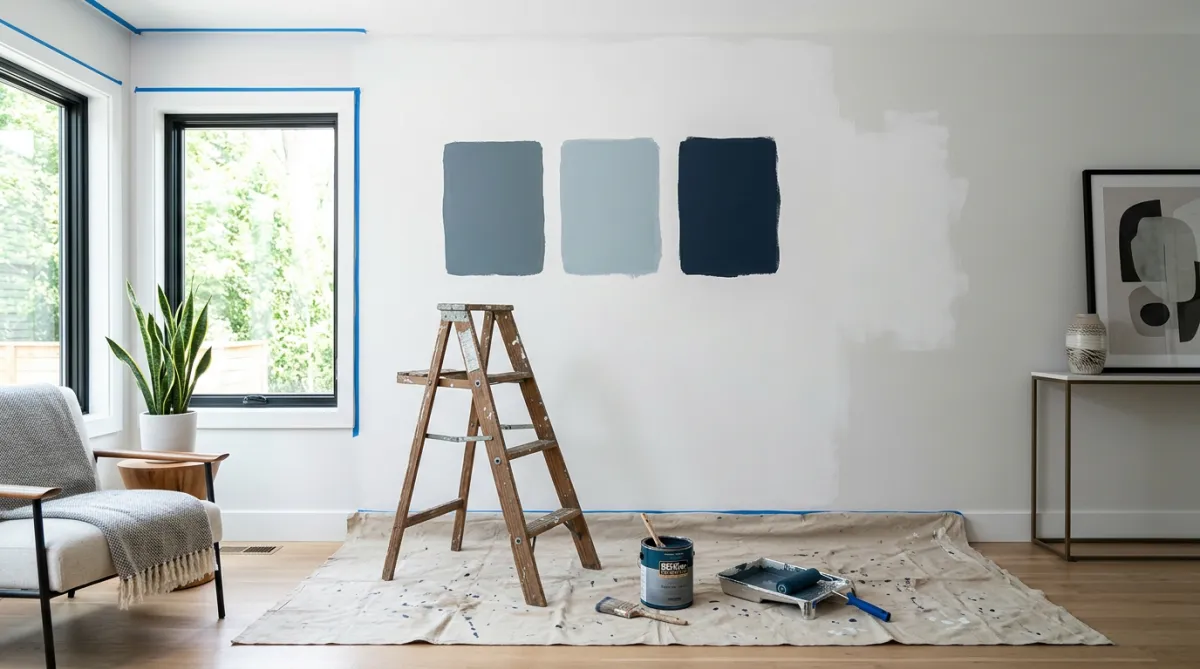
Questions Worth Answering Before You Start
Our guide will help you think through the key questions that can make the difference between a smooth project and an expensive, frustrating experience.
Decide whether the project makes sense as a DIY job.
Identify wall problems that should be repaired before painting.
Understand when primer may be needed.
Choose a paint and sheen that fit the room and surface.
Avoid rushing into a color decision you may regret.
Estimate how much paint you are likely to need.
Know which tools are worth having before you begin.
Think through the real scope and timing of the project.
Questions Worth Answering Before You Start
Our guide will help you think through the key questions that can make the difference between a smooth project and an expensive, frustrating experience.
Decide whether the project makes sense as a DIY job.
Identify wall problems that should be repaired before painting.
Understand when primer may be needed.
Choose a paint and sheen that fit the room and surface.
Avoid rushing into a color decision you may regret.
Estimate how much paint you are likely to need.
Know which tools are worth having before you begin.
Think through the real scope and timing of the project.

Discover how Let a pro handle the hard parts while you paint the easy walls...
so you can save money without taking on work you can't do safely. (Q3)
Get a 10-point checklist for walking your room...
so you can buy the right repair materials and primer the first time. (Q7)
When is a crack just cosmetic, and when is it a warning sign? Learn the clues...
so you can avoid painting over a problem that keeps coming back. (Q7)
Does your wall actually need primer? Use a simple problem-to-primer guide...
so you can skip a coat you don't need and add one where it counts. (Q9)
Find out what "paint and primer in one" really means, and when it won't do the job...
so you can keep old stains from bleeding through your new color. (Q9)
Painting a bathroom, kitchen, or busy hallway? Find out what to look for on the label...
so you can choose a paint that stands up to moisture and scrubbing. (Q12, Q13)
Decide whether the project makes sense as a DIY job.
Identify wall problems that should be repaired before painting.
Understand when primer may be needed.
Choose a paint and sheen that fit the room and surface.
Avoid rushing into a color decision you may regret.
Estimate how much paint you are likely to need.
Know which tools are worth having before you begin.
Think through the real scope and timing of the project.
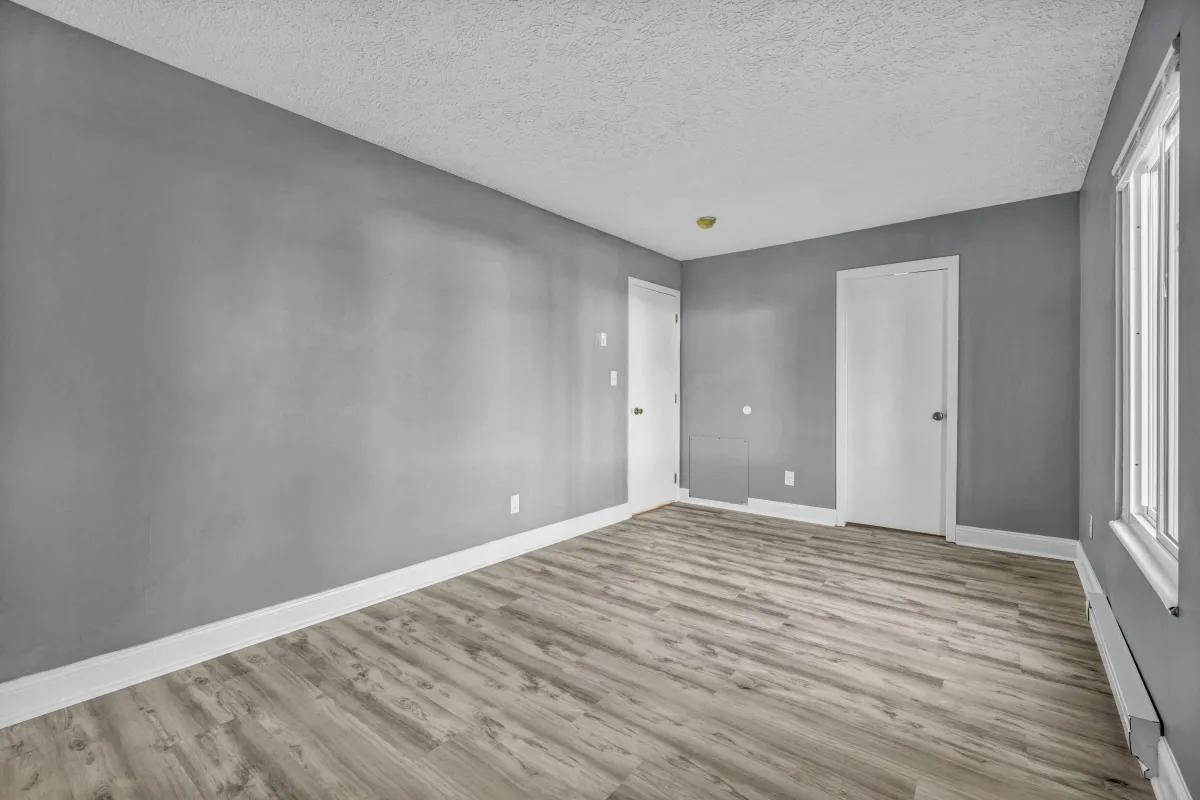
Discover why "I'm painting the bedroom" can mean several very different projects...
so you can plan, price, and schedule the job you're actually doing. (Q4)
Discover why a color you love in the store can look completely different at home...
so you can avoid repainting a room you just finished. (Q11)
Learn the simple length-times-height math for measuring your walls...
so you can buy paint based on numbers instead of guesswork. (Q14)
Discover when adding one extra quart is the smart move...
so you can finish the second coat without running short. (Q14)
Why do most homeowners underestimate a paint job? Learn the hidden work before and after the painting...
so you can build a schedule that doesn't force you to rush. (Q6)
Decide whether the project makes sense as a DIY job.
Identify wall problems that should be repaired before painting.
Understand when primer may be needed.
Choose a paint and sheen that fit the room and surface.
Avoid rushing into a color decision you may regret.
Estimate how much paint you are likely to need.
Know which tools are worth having before you begin.
Think through the real scope and timing of the project.
A Better Paint Job Starts Before You Open the Can
Experienced painters think through dozens of decisions before a project begins - from surface preparation and product selection to tools, timing, and technique. This guide helps you think through the same kinds of questions, so you can make smarter decisions before you spend money and do the work.
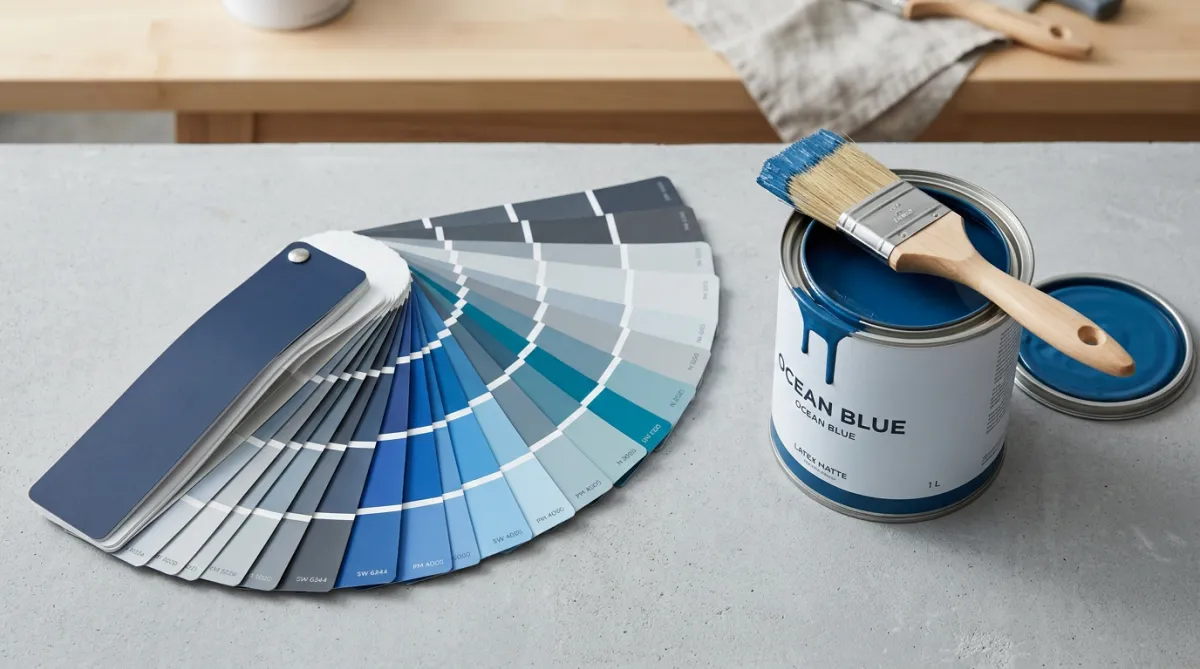
Questions Worth Answering Before You Start
Our guide will help you think through the key questions that can make the difference between a smooth project and an expensive, frustrating experience.
Decide whether the project makes sense as a DIY job.
Identify wall problems that should be repaired before painting.
Understand when primer may be needed.
Choose a paint and sheen that fit the room and surface.
Avoid rushing into a color decision you may regret.
Estimate how much paint you are likely to need.
Know which tools are worth having before you begin.
Think through the real scope and timing of the project.
More Questions Worth Answering Before You Start
Our guide will help you think through the key questions that can make the difference between a smooth project and an expensive, frustrating experience.
Discover why a color you love in the store can look completely different at home,
so you can avoid repainting a room you just finished. (Q11)
Learn the simple length-times-height math for measuring your walls,
so you can buy paint based on numbers instead of guesswork. (Q14)
Discover when adding one extra quart is the smart move,
so you can finish the second coat without running short. (Q14)
Why do most homeowners underestimate a paint job?
Learn the hidden work before and after the painting,
so you can build a schedule that doesn't force you to rush. (Q6)
Discover why "I'm painting the bedroom" can mean several very different projects,
so you can plan, price, and schedule the job you're actually doing. (Q4)
Decide whether the project makes sense as a DIY job.
Identify wall problems that should be repaired before painting.
Understand when primer may be needed.
Choose a paint and sheen that fit the room and surface.
Avoid rushing into a color decision you may regret.
Estimate how much paint you are likely to need.
Know which tools are worth having before you begin.
Think through the real scope and timing of the project.
Who This Guide Is For?
This guide is designed for homeowners at any stage of a paint project, including:
Homeowners planning to paint a room themselves
People deciding whether to DIY or hire a painter
Homeowners choosing paint, sheen, or color
People preparing a home for sale
Homeowners renovating or redecorating
Anyone trying to correct a previous paint job
First-time DIY painters who want a clearer plan
SAVE MONEY + TIME + PAIN
Download & Read This Important Guide Today!
Just enter your email in the form and we'll send it to you instantly.